Legacy System Modernisation Agency in Suffolk & London

Sound familiar?
Is Your Business Being Held Back by Outdated Software?
Your IT Budget is Being Swallowed
Legacy systems consume up to 80% of IT budgets — not on innovation or new features, but on maintaining infrastructure that was never designed for how your business operates today. That’s money that isn’t growing your business.

Your Team Has Built Workarounds
Spreadsheets to fill gaps. Manual data re-entry between systems. Checklists that should be automated. When your team’s daily routine involves compensating for what the software can’t do, productivity and morale both suffer.
You’re One Breach Away from a Serious Problem
60% of security breaches are linked to unpatched legacy systems. Older software stops receiving security updates, leaves known vulnerabilities open and often fails to meet current compliance requirements — a growing risk in regulated industries.

How We Help
Modernisation That Fits Your Business, Not a Template
Not every legacy system needs replacing from scratch. We start by understanding what you have, what’s worth keeping and what needs to change — then we recommend the right approach for your situation and your budget.

1. Refactoring
Your system works but the code underneath it is fragile, slow or impossible to maintain. We restructure and clean the existing codebase so it performs better, costs less to maintain and can be extended without everything breaking. No disruption to your users, no starting from scratch.

2. Replatforming
Your software is fundamentally sound but the infrastructure it runs on is out of date. We migrate it to a modern platform — typically Microsoft Azure — giving you better performance, security and scalability without rebuilding the entire application.

3. System Integration
Your legacy system works in isolation and your team manually transfers data between it and everything else you use. We connect your existing system to your modern tools — CRMs, ERPs, third-party APIs and cloud platforms — so data flows automatically and the manual work disappears.

4. Full Modernisation
Sometimes a legacy system has reached the end of its useful life. When refactoring or replatforming isn’t enough, we plan and deliver a full rebuild — using your existing system as the brief so nothing important gets lost, and phasing the transition so your business keeps running throughout.
Why Modernise?
The Business Case for Legacy System Modernisation
Client Results
What Our Clients Say
We’re proud of our 4.9 star rating on Clutch. Here’s what the businesses we’ve modernised for have to say about working with us.
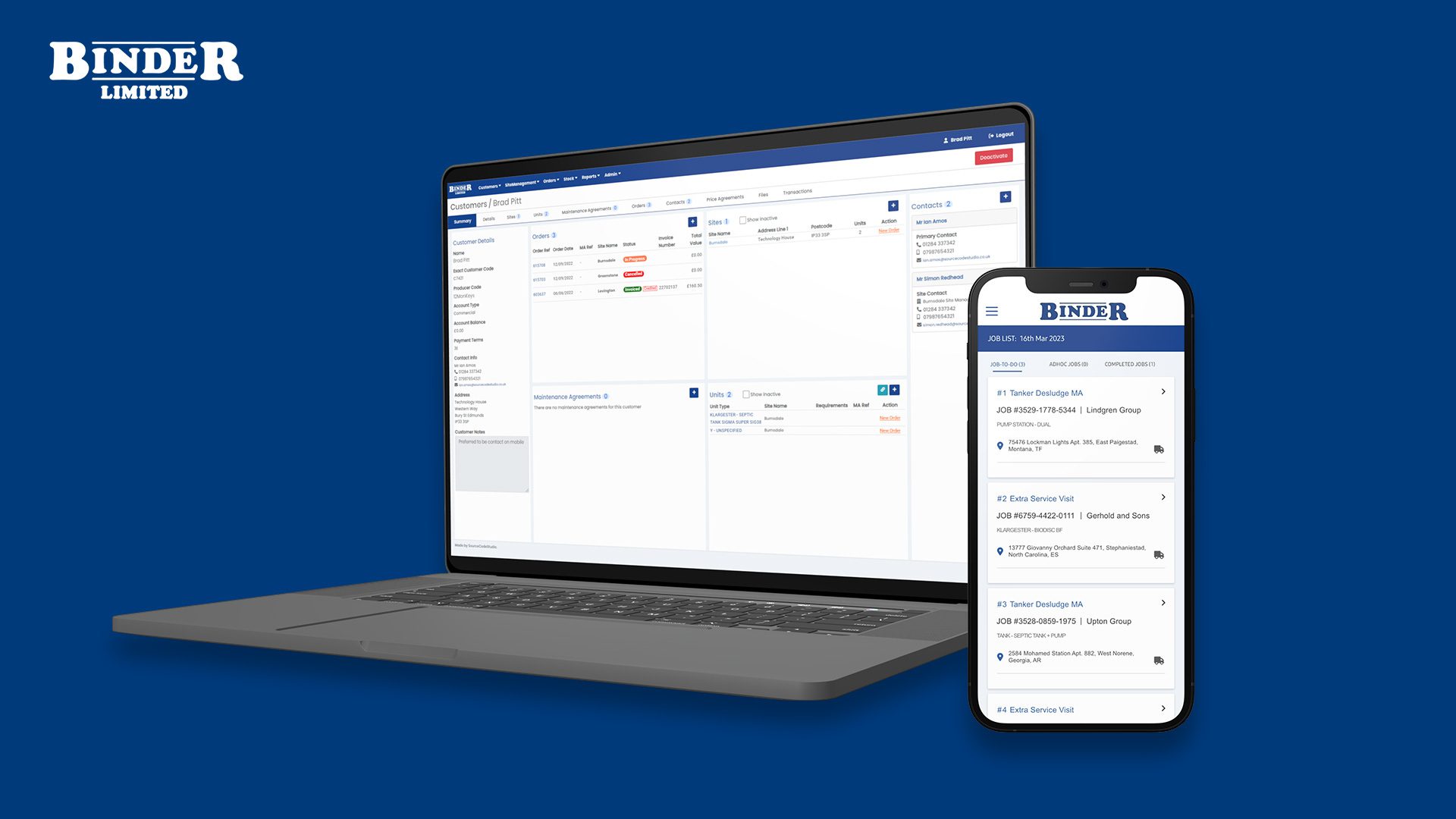
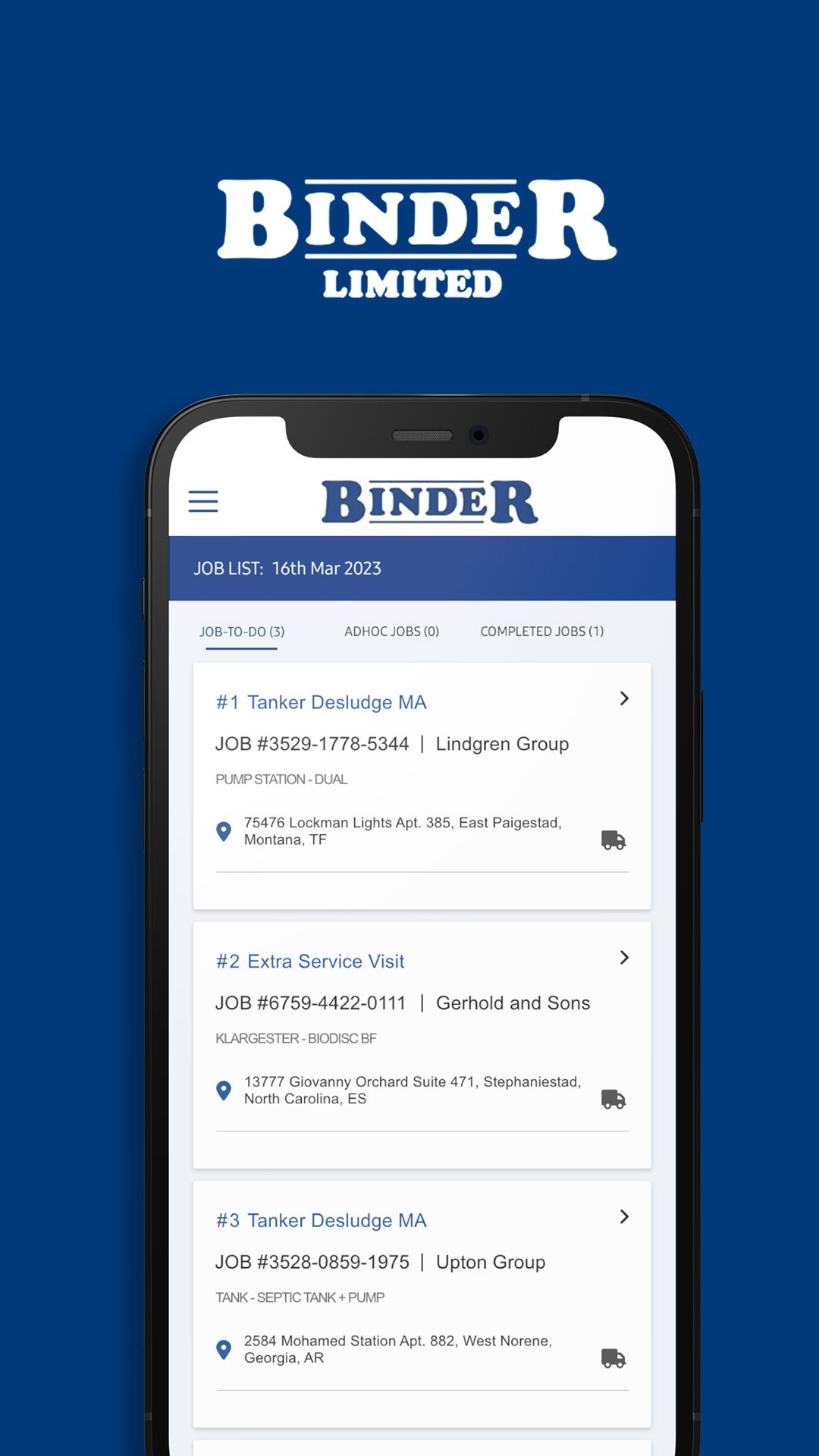
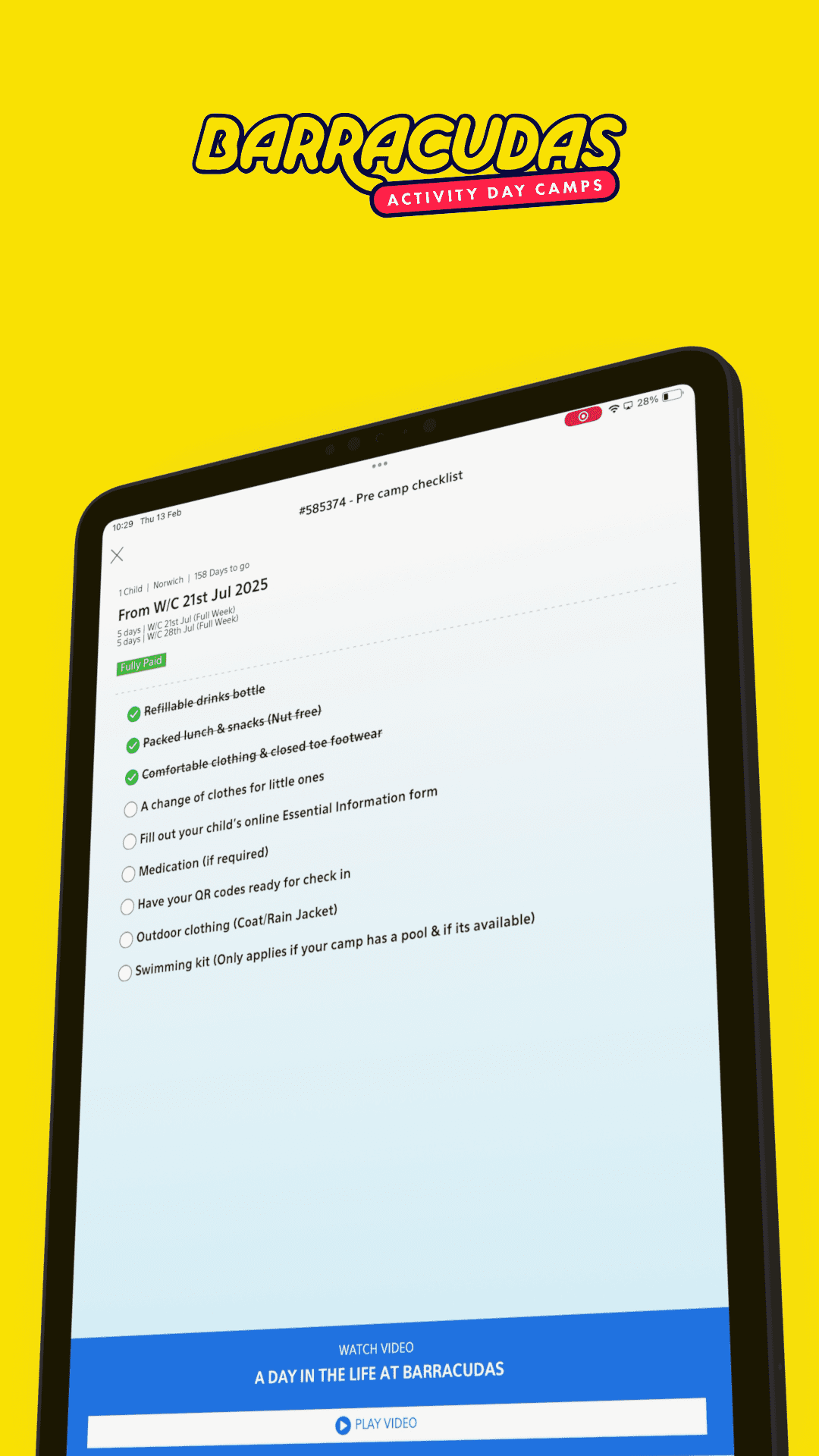
Over the last two years we have partnered with SourceCodeStudio to completely redevelop the software platform we use to manage our business. This process involved reviewing the old software functionality and business processes to scope and develop a new cloud based business management platform and mobile app. A key benefit of the new solution is the depth and quality of data we now have, improving our customer experience and supporting us in continuing to review business processes. The partnership with SourceCodeStudio, their capability and commitment has been a major factor in the successful delivery of the project and its ongoing development and we are excited to continue our partnership with them!

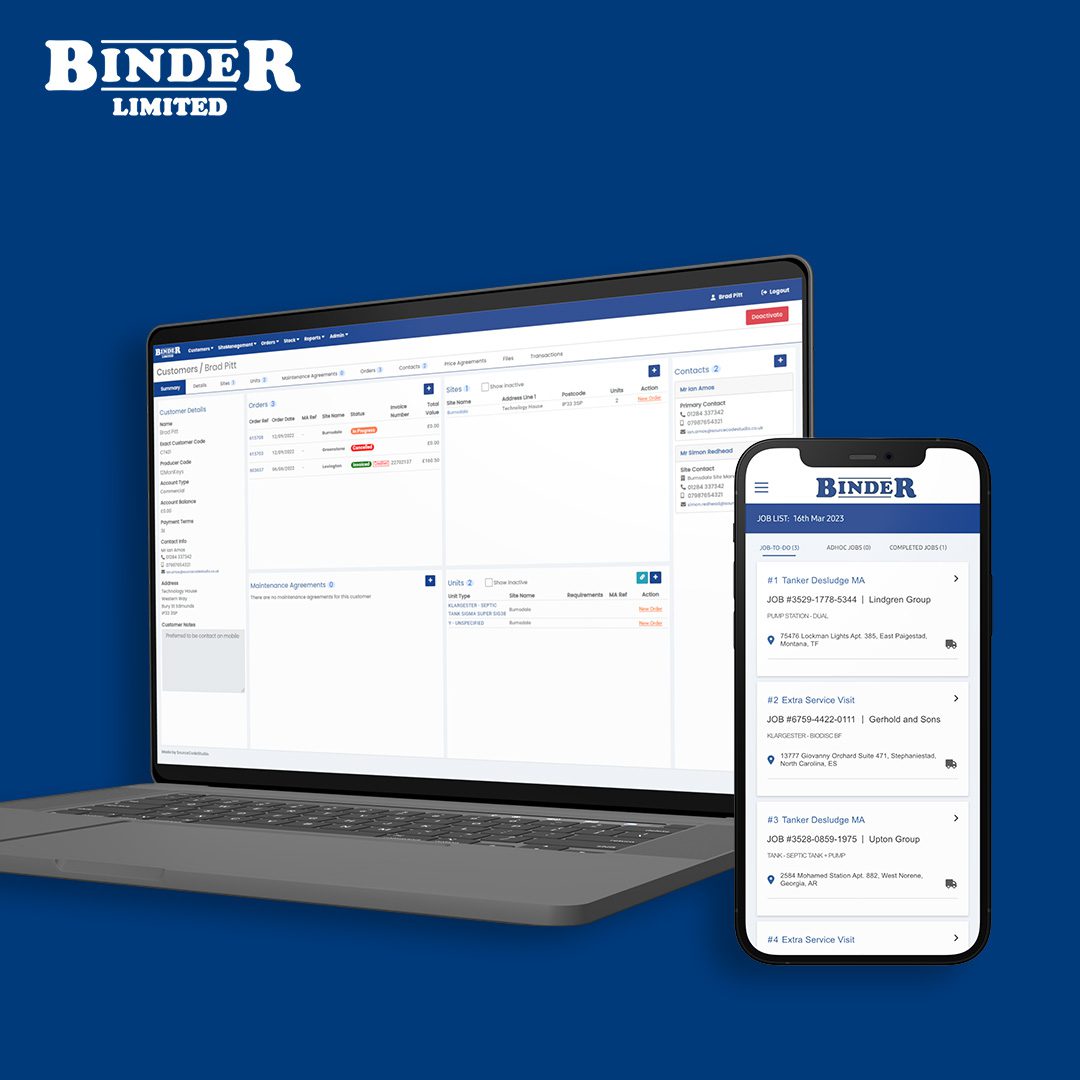
We have worked with SourceCodeStudio for a number of years now and would highly recommend them.
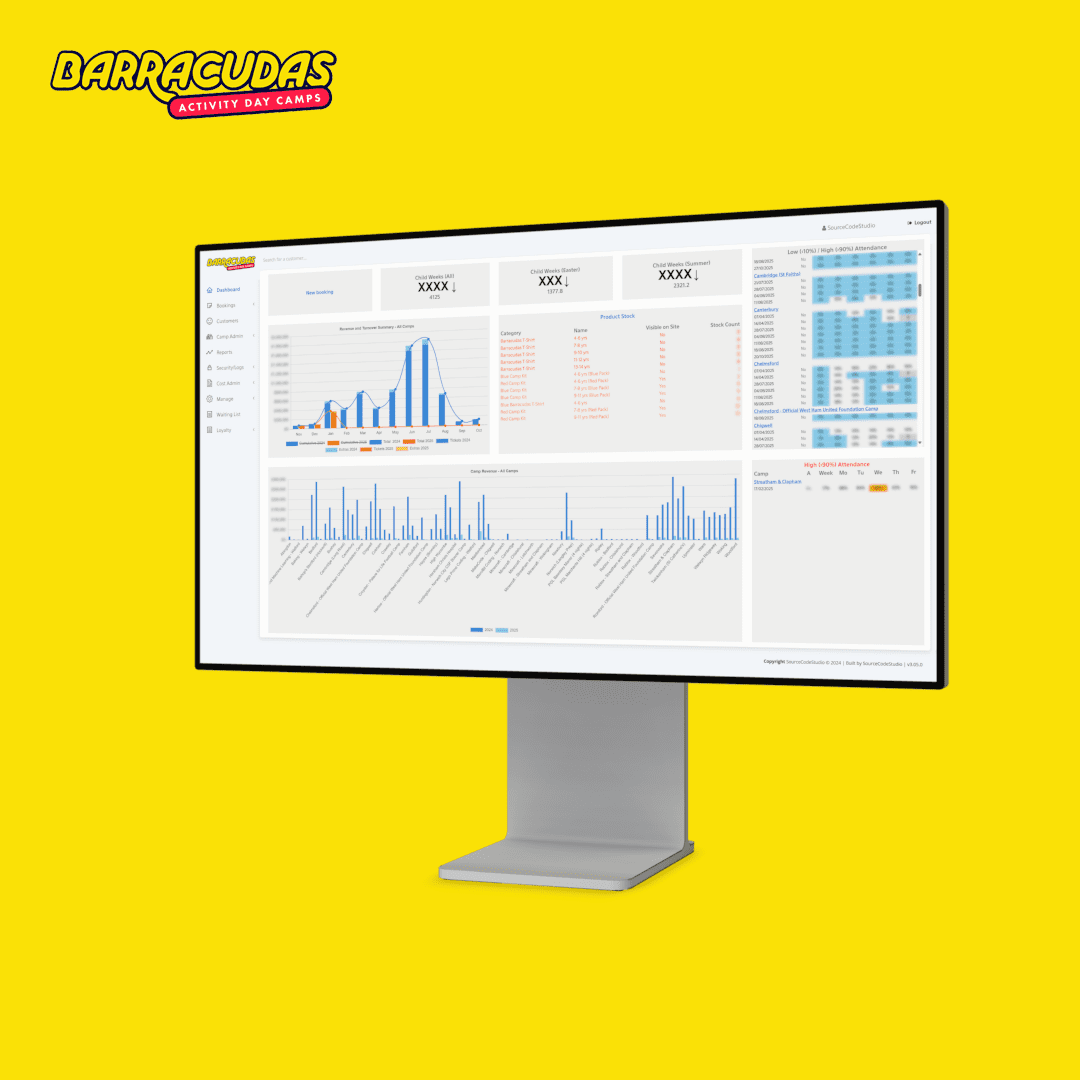
They have created a fully integrated booking system with our website and created some really useful reporting tools. As our business grows, we keep refining the system together and SourceCodeStudio has been a great partner in helping us along the way.
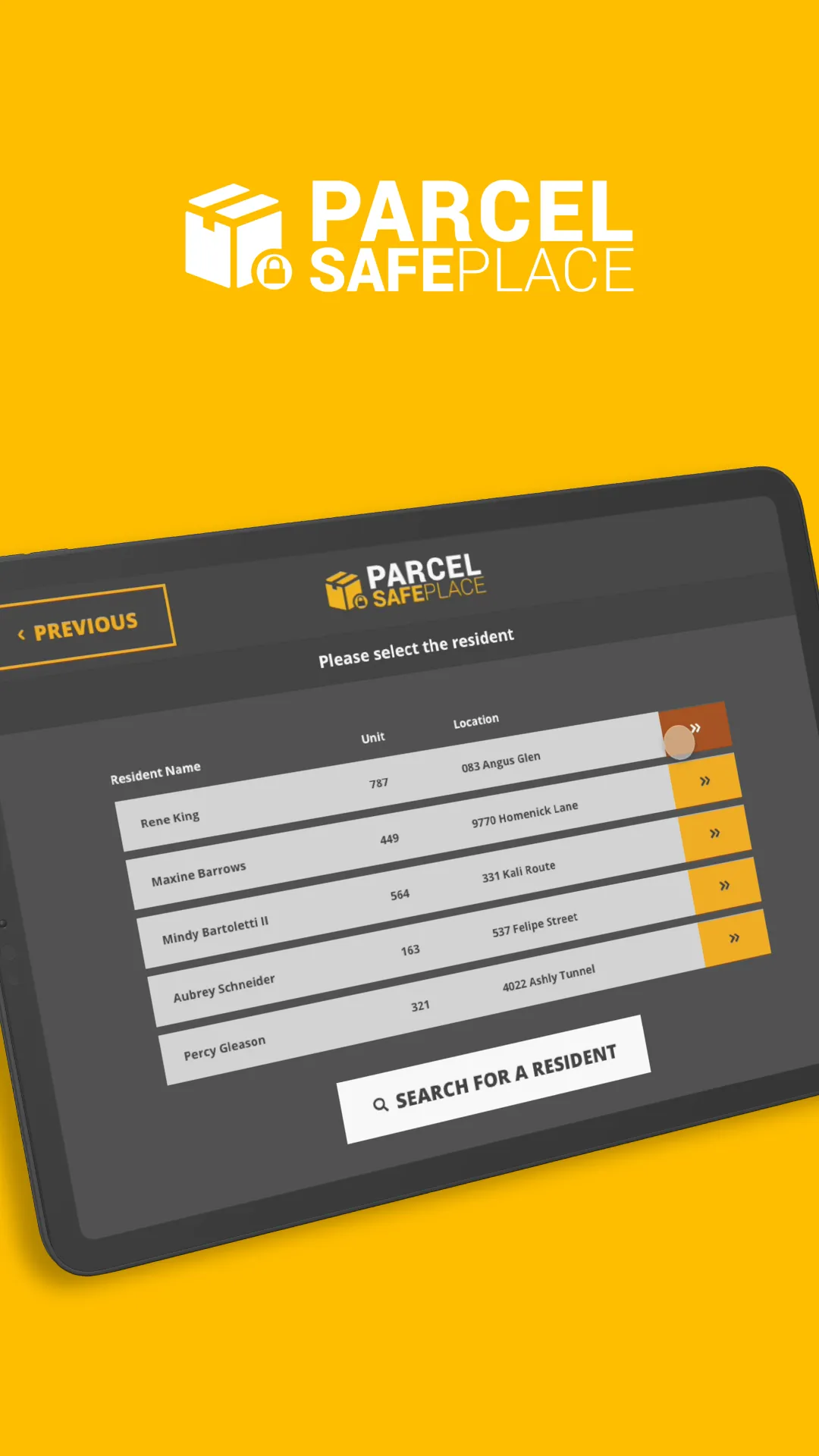
The project was integral to our business’s future success and growth. We required both a mobile app and a web application that could integrate to a high level. We are very pleased with the service and final product. SourceCodeStudio is a trusted partner that understands our needs and then exceeds them.
How We Work
A Clear Process From Assessment to Go-Live
Modernising a legacy system is more complex than building something new. There’s existing data to protect, users who depend on the current system and business continuity to maintain throughout. Here’s exactly how we manage that process.
Contact Information
Please fill out the form and one of our team will get back to you or use the contact details below.
30 Minute Meeting
Location

Get in touch…
Frequently Asked Questions
+–What is legacy software modernisation?
Legacy software modernisation is the process of updating, rebuilding or replacing outdated software so it performs reliably, integrates with modern tools and supports how your business operates today. It doesn’t always mean starting from scratch. Depending on the system, modernisation can involve refactoring existing code, migrating to a modern platform like Microsoft Azure, connecting the system to current tools via APIs, or a phased full rebuild where the existing system acts as the brief.
+–How do I know if my system needs modernising?
The most common warning signs are: your team relies on spreadsheets or manual workarounds to fill gaps in the software, simple tasks take longer than they should, updates break other parts of the system or are no longer possible, the software crashes or freezes regularly, and you have concerns about security or compliance. If two or more of those apply, your system is likely due for a serious review. Download our free Recovery Guide for a full self-assessment checklist.
+–Why should I modernise rather than just maintain my current system?
Legacy systems consume up to 80% of IT budgets just to keep running — not to improve or innovate. The longer you maintain rather than modernise, the more expensive the eventual transition becomes. Security vulnerabilities accumulate, integration with modern tools becomes impossible, and the specialist knowledge needed to support old systems becomes harder and more expensive to find. Modernisation converts a cost centre into a platform for growth.
+–How much does legacy system modernisation cost?
Costs vary significantly depending on the complexity of the existing system, the modernisation approach, and the scope of required integrations. Refactoring or replatforming projects at SourceCodeStudio typically start from £15,000. Full modernisation or rebuild projects range from £40,000 to £150,000 or more for complex enterprise systems. We provide a detailed, costed proposal after the initial assessment so you know exactly what you’re committing to before work begins.
+–How long does legacy system modernisation take?
A focused refactoring or integration project typically takes 8 to 16 weeks. A full modernisation or phased rebuild of a complex system can take 6 to 18 months, depending on scope, data migration requirements and the need for parallel running. We work in structured phases, so your business continues to operate throughout, and you see progress at every stage rather than waiting months for a single delivery.
+–Will my business be disrupted during the modernisation process?
Disruption is our biggest concern throughout any legacy modernisation project. We work in phases so the current system keeps running while we build, test and validate the modernised version alongside it. We only cut over when your team has tested the new system in a real environment and is confident it’s ready. Data migration is managed carefully with integrity checks at every stage.
+–What technology do you use for legacy modernisation?
We specialise in Microsoft .NET development and use Azure cloud infrastructure for hosting and deployment. This gives modernised systems a stable, enterprise-grade foundation with strong security, scalability and long-term vendor support. For integrations, we use REST APIs and modern middleware to connect legacy systems with current platforms, including CRMs, ERPs and third-party tools.
+–Where are you based and where do you work?
SourceCodeStudio is headquartered in Bury St Edmunds, Suffolk. We work with clients across Suffolk, London, Cambridge, Norfolk and Essex, as well as nationally for the right projects. We operate as a remote-first team, which means faster turnaround times and no costs passed on to you for travel or office overheads. For local clients, we’ll typically meet in person after an initial video consultation to build a working relationship, then manage the project remotely from there.
+–Do you provide support after the modernisation is complete?
Yes. We provide dedicated post-modernisation support for every project we deliver. This includes performance monitoring, bug fixes, feature updates and direct access to the team who did the original work. Legacy modernisation isn’t a one-time event — as your business evolves, your system needs to evolve with it, and we’re set up to support that ongoing development.